
Sod Webworms: The Pest Eating Your Lawn from the Inside Out
Sod Webworms – What to Watch For
You’ll go out in the morning and it looks like somebody has taken a weed eater and chopped down part of your yard. Sometimes it’s a small area; sometimes they’ll wipe out a bigger section. Look closely at the tops of the grass blades: the cut is jagged, not the good clean cut a lawnmower would make.
The other early warning sign is little brown moths flying up out of your yard. Those moths are the first sign of sod webworms — but the real damage starts when the eggs hatch and the little larvae come out to eat your grass down at night.
How to Treat Sod Webworms
Treat the problem with a liquid pesticide like Cyonara. In most parts of the yard, sod webworm feeding usually doesn’t hurt anything permanently — the grass recovers.
Shady Areas Are the Exception
Real shady areas are a different story. There, it’s really important to stop sod webworms as soon as possible. When the worms shave off all of that leaf tissue, there’s nothing left to gather sunlight, and in shade the grass can’t recover — it’ll kill it.
Other Lawn Problems on the Radar
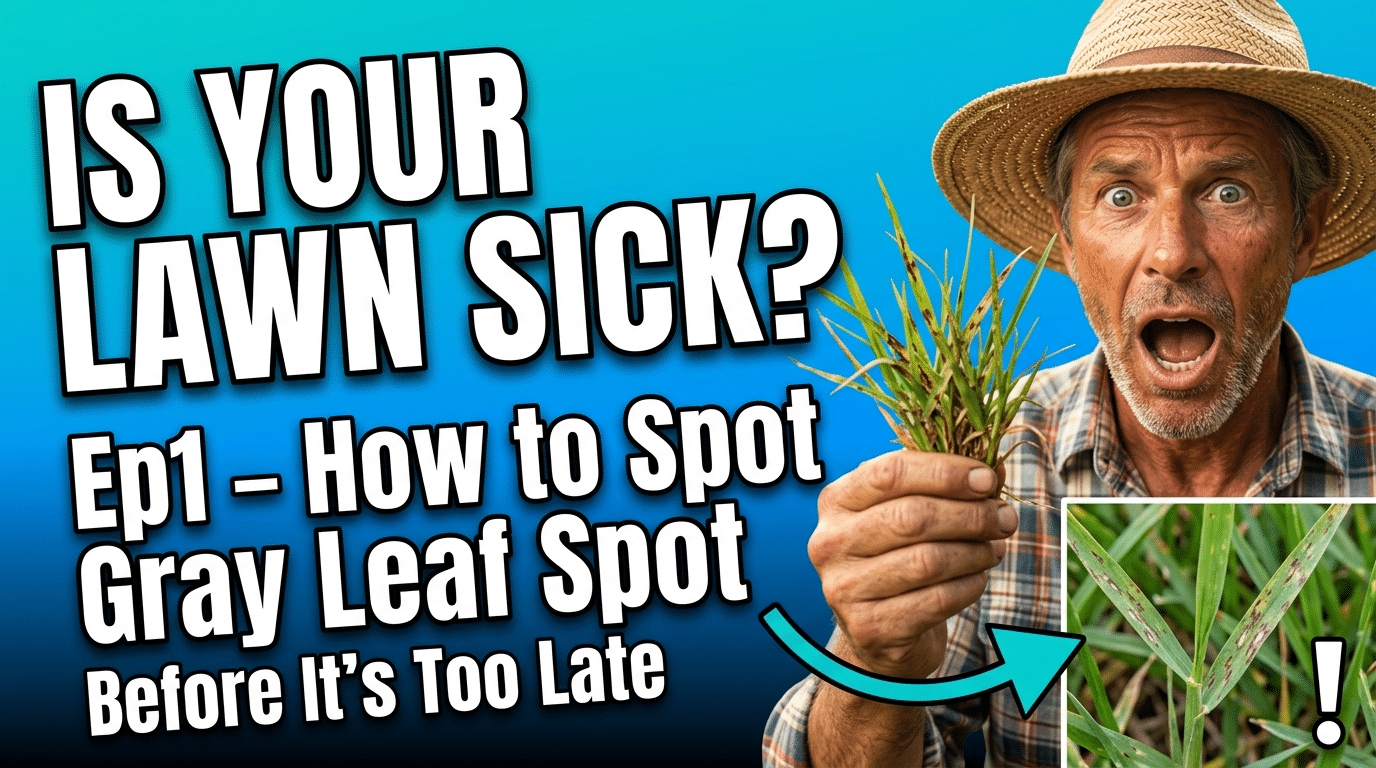
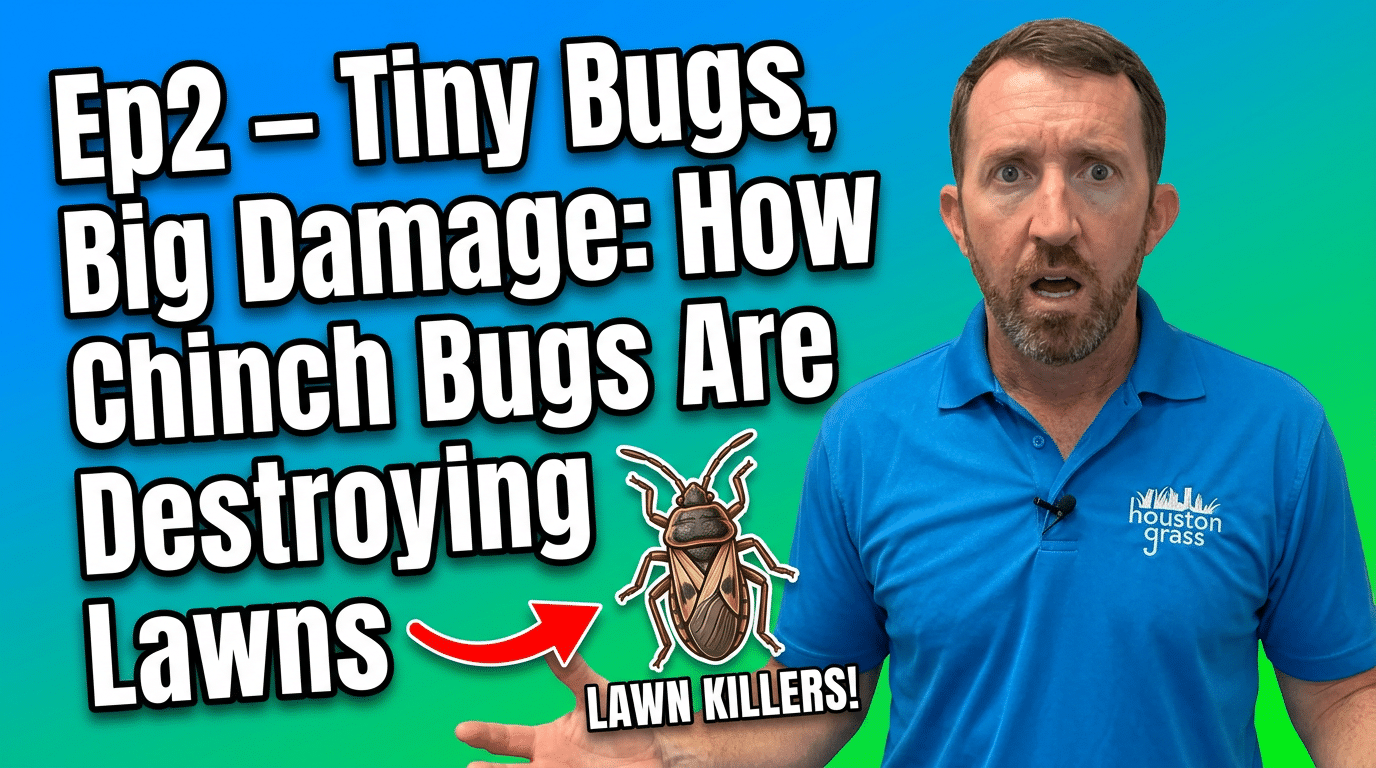
We haven’t talked much about sod webworms in the last few years, but chinch bugs inevitably come around, and gray leaf spot is an issue every summer. All three are worth keeping an eye out for.
Healthy Lawns Start with the Right Grass — and the Right Help
A healthy lawn starts with choosing the right grass for the right place. At Houston Grass, we help customers every day with St. Augustine, Bermuda, and Zoysia, along with delivery, installation, and lawn care products that fit our area.
Because we focus on grass, we can help you think through the details before you order. Sunlight, shade, soil, drainage, and timing all matter — and we’re glad to talk through those questions with you.
Thanks for watching. For more helpful lawn care information, check out our other videos. And when you’re ready to order, give Houston Grass a call at 281-431-7441.